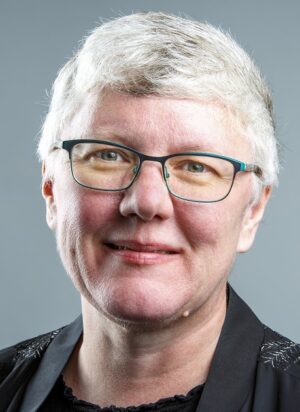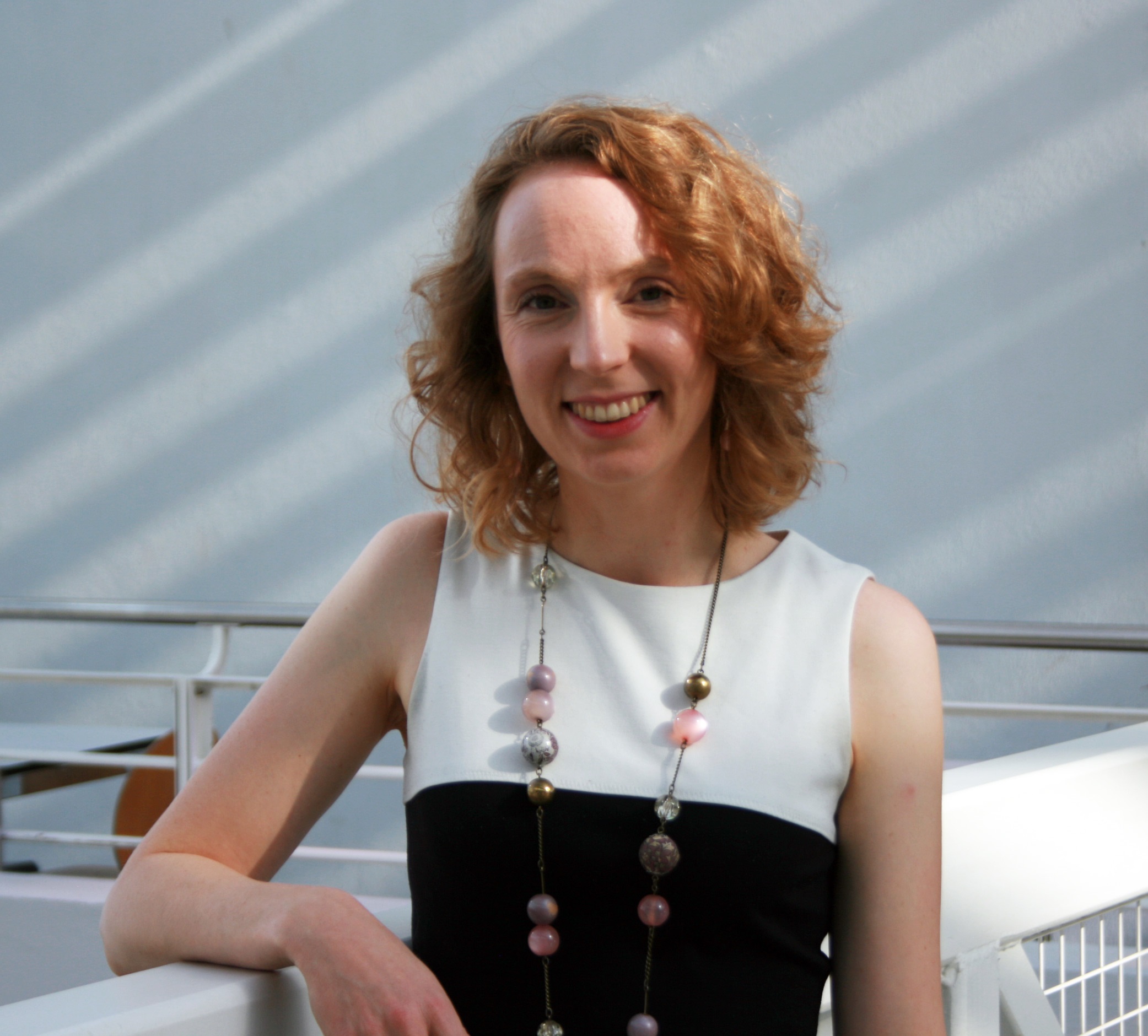
Prof. Patricia Rodríguez-Inés (Universitat Autònoma de Barcelona)
Monday 26 October, 4pm CET
*The talk will be accessible to ID-TS members through a Zoom link. Registration is not required.
Abstract
In this talk, I argue that, in highly turbulent times for the translation profession, research is not simply an academic pillar but the driving force behind training, professionalisation, and public understanding of what translation actually is and entails. While generative AI has captured public imagination, its role in translation is frequently overstated: it produces text, not meaning, and its limitations (hallucinations, lack of critical reasoning, absence of contextual awareness) make human expertise more indispensable than ever. Ironically, with the rise of AI, the general public understands even less than before about translation, all too often viewing it as a “problem” the technology has solved. This misconception has been a major factor in the closure or downsizing of various translation programmes, with the threat of reabsorption into Modern Languages compromising the disciplinary autonomy built up over decades.
Against this backdrop, research in translation competence needs to evolve. Human–machine interaction is now tighter, more complex, and more ubiquitous, requiring existing models to better integrate technological literacy (i.e. instrumental subcompetence), risk management, and other general competences, as well as the strategic decision-making that characterises expert translators. Doctoral researchers therefore have a crucial role to play: it is they who will redefine competence, reshape curricula, and articulate the value of translation in a world where machines handle the “easy” tasks and humans tackle the difficult ones requiring judgement, contextual interpretation, accountability, and responsibility.
Patricia RODRÍGUEZ-INÉS is full professor in the Department of Translation, Interpreting and East Asian Studies of the Universitat Autònoma de Barcelona. She is the principal investigator of the FORTI (Translator and Interpreter Training) and ECOTRAD (Eco-sustainability in Translation Studies) groups, and the TRANSFORMATEC project. She is the author of multiple publications about translator training, corpora and translation competence.